Comfortable Travel Shoes: What I Learned the Hard Way
I have bought many pairs of comfortable travel shoes.
At least, that’s what I thought they were when I tried them on.
They had cushioning. They felt soft. I walked around the house in them and congratulated myself on finally becoming the kind of sensible traveler who owns sensible shoes.
Then I actually traveled in them.
Several hours and approximately seventeen thousand steps later, my toes were staging a protest, my toenails hurt, and I was wondering why a shoe that had felt perfectly comfortable that morning had apparently shrunk two sizes by dinner.
This has happened to me more than once. Apparently, I am a slow learner in the travel-shoe department.
Comfortable at Home Is Not the Same as Comfortable in Rome
This is probably the biggest thing I’ve learned.
Trying on shoes in a store — or walking around the house in them for twenty minutes — tells me almost nothing about how they’ll feel after an entire day of sightseeing.
Travel walking is different.
You walk to breakfast. Then to the train station. Then through the train station because naturally your platform is the one furthest away. Then around whatever beautiful place you’ve traveled all that way to see.
You stop for lunch and think you’ve rested. You haven’t. Then you walk some more.
By evening, a shoe that felt wonderfully roomy at 9 a.m. can suddenly feel as though it’s personally holding a grudge against your toes.
Why My Toe Box Matters More Than I Thought
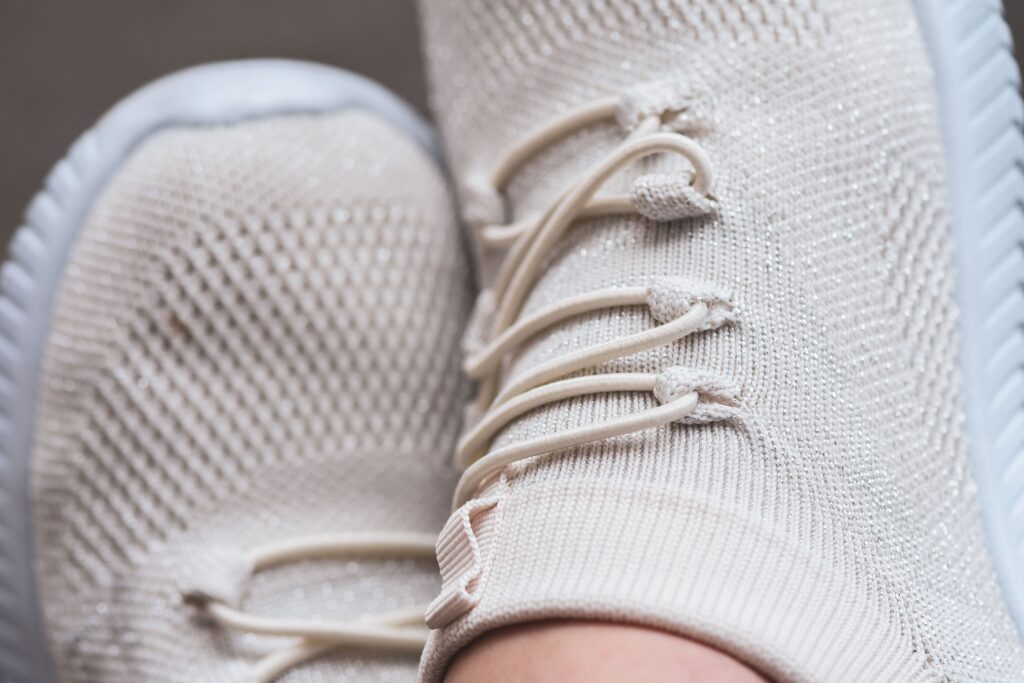
Closed shoes have been my biggest problem.
I can put on a perfectly comfortable pair in the morning, but after hours of walking, my toes start pressing against the front. By the end of the day, even my toenails can hurt. Not exactly the glamorous European travel experience I had in mind.
I’ve learned that when I’m shopping for comfortable travel shoes, the toe box deserves far more attention than I used to give it.
I don’t just need enough room when I’m standing still. I need enough room for my feet after I’ve been walking for hours. Feet can swell during a long day, and suddenly that little bit of extra space doesn’t seem so unnecessary. It feels brilliant.
Podiatrists generally recommend checking for proper toe room when shoe shopping — a good rule of thumb is about a thumb’s-width of space between your longest toe and the front of the shoe.
Cushioning Isn’t Everything
I used to squeeze the inside of a shoe and think: oh, that’s soft, this will be comfortable.
I’ve since learned that softness and all-day comfort aren’t necessarily the same thing. A shoe can feel wonderfully cushioned and still rub in the wrong place, squeeze my toes, or make my feet work harder than they should.
Now I’m more interested in how the whole shoe feels.
Does my foot feel stable? Can my toes move? Does my heel stay where it’s supposed to? Is anything rubbing after I’ve walked for a while?
And perhaps most importantly: am I still thinking about my shoes?
Because the best travel shoes, I’ve decided, are the ones I eventually forget I’m wearing.
I Also Had to Stop Power-Walking Through My Vacation
This one isn’t entirely the shoes’ fault.
When I’m traveling, I have a tendency to walk faster than I normally would. There’s always something else to see. A train to catch. A reservation. A museum that’s closing in forty-five minutes because apparently I planned the day as though teleportation would be available.
And when I walk too fast for too long, my knees start complaining.
So I’ve had to accept something that goes beyond finding comfortable shoes: I don’t need to race through my vacation.
This is something I’ve been learning about travel in general. I don’t need to see every church, museum, neighborhood, viewpoint and famous sandwich shop simply because I’m there.
Sometimes the better choice is to sit down. Have the coffee. Watch people walk past. Let the knees recover.
It’s one of the reasons I’ve stopped believing I need to see everything when I travel. A slower day doesn’t mean I’ve wasted the trip. Usually, it’s the day I remember most.
My New Test for Comfortable Travel Shoes
I haven’t discovered one magical shoe that has solved everything.
What I have changed is how I test them.
I no longer buy shoes shortly before a trip and assume they’ll be fine because they felt comfortable in the store. I want to wear them in real life first — not just around the house.
I want a decent walk in them. Then another one. I want to know what happens after I’ve been on my feet for a few hours.
If there’s a tiny pressure point, I pay attention to it. Travel has taught me that tiny pressure points have ambition. Give them six hours and they’ll become the main event.
Pretty Still Matters to Me
I know the sensible answer is supposed to be that comfort is all that matters. But that’s not completely true for me.
I still want shoes I actually like. I’m going to be wearing them with most of the clothes I’ve packed, they’ll probably appear in half my vacation photos, and I don’t want to spend the entire trip feeling as though I’ve borrowed orthopedic shoes from someone else’s closet.
So I’m looking for the middle ground now: comfortable enough for a long day, roomy enough for my toes, supportive enough that my feet aren’t exhausted, and nice enough that I don’t immediately want to change them before dinner.
Surely this isn’t too much to ask.
I Pack Fewer Shoes Now, Too
There was a time when I packed shoes for possibilities.
Shoes for walking. Shoes for dinner. Shoes in case dinner was slightly nicer. Shoes in case we went somewhere that required a completely different personality.
Most of them came home barely worn.
Now I’d rather bring fewer pairs that I know I can actually wear. A comfortable walking shoe that works with most of my daytime clothes earns its suitcase space. Then I’ll add something appropriate for evenings if I genuinely need it.
The fantasy shoes can stay home. They know what they did.
What I Look for in Comfortable Travel Shoes Now
My requirements have become surprisingly simple.
I want enough room around my toes, particularly at the front of the shoe. I want cushioning without feeling unstable. I don’t want rubbing at the heel. I want a sole that feels supportive when I’m walking on hard pavement for hours.
I also want to try them with the socks I’ll actually wear while traveling, and I want to have worn them enough before the trip that there are no surprises.
Because discovering that your shoes aren’t comfortable when you’re two miles from your hotel is a particularly irritating form of self-discovery.
The Best Travel Shoe Might Be the One You’ve Already Tested
I’m still learning what works for my feet. Maybe that’s the point.
There probably isn’t one universally perfect pair of comfortable travel shoes, because our feet, walking styles and trips aren’t identical.
What I’ve stopped doing is believing the label. “Comfort shoe” doesn’t automatically mean comfortable for me. “Walking shoe” doesn’t mean I can walk ten miles in it. And a shoe that feels lovely for fifteen minutes doesn’t get promoted to international travel duty quite so quickly anymore.
These days, my comfortable travel shoes have to earn their place in my suitcase.
Preferably before my toenails get involved.