How to Make Your Home Feel Calmer Without Buying Anything New
I used to think how to make your home feel calmer meant a shopping list. New baskets. Better storage. Some kind of system I’d seen somewhere that would finally make everything click into place.
It turns out most of what makes a home feel calm has nothing to do with buying anything.
It has to do with noticing the small things that have been quietly bothering you, and finally doing something about them.
Here’s what actually worked.
1. Clear the Surface You Look at Most
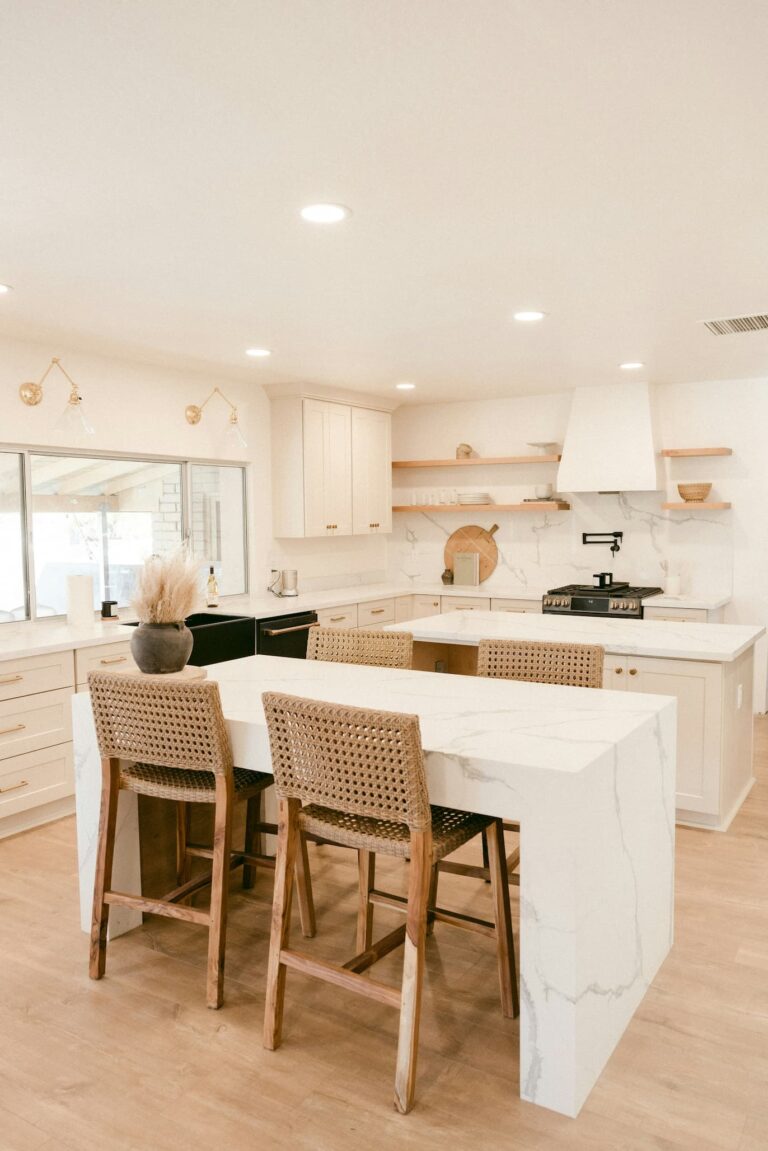
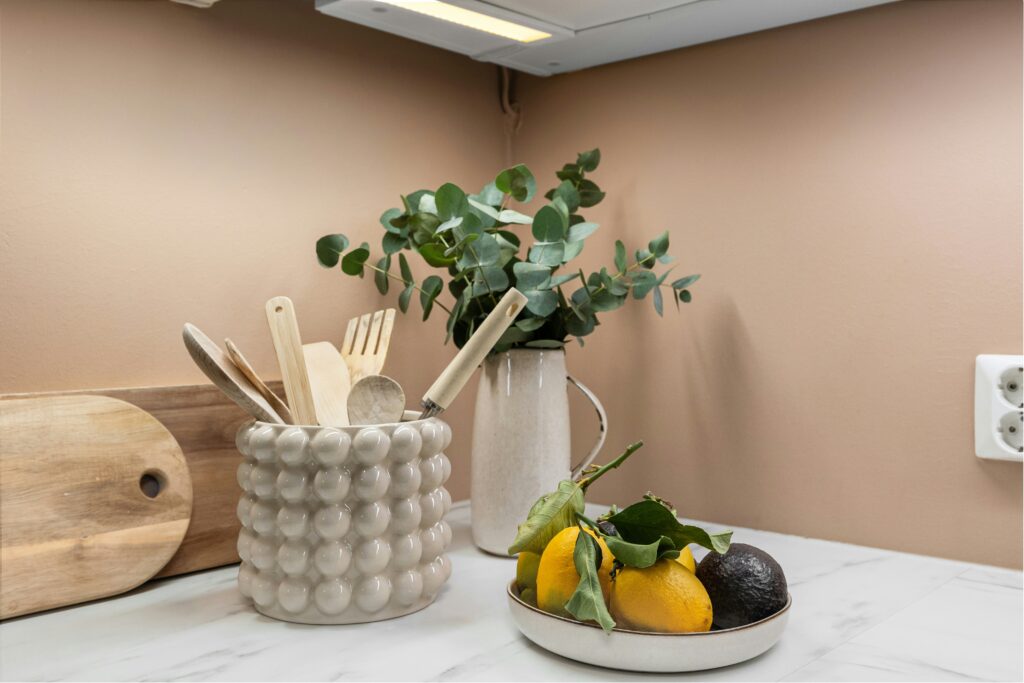
For me, it’s the kitchen counter. Not the whole kitchen — just the one stretch of counter I see fifty times a day, usually while I’m doing something else entirely.
Everything else in the house can be a mess and I won’t register it. But if that one surface is cluttered, the whole house feels cluttered, even when it isn’t.
Find your version of this surface. Clear it. Keep it clear. It does more work than you’d expect.
2. Get Rid of the “Temporary” Pile That Has Become Permanent
You know the one. It started as “I’ll deal with this later” — a stack of mail, a chair with clothes on it, a corner of the counter that became a catch-all.
That was three months ago. Later never came.
The pile has its own gravitational pull now. Things get added to it without anyone deciding to add them. It has become furniture.
Deal with it today, in the ten minutes it actually takes. Not the hour you’ve been imagining.
3. Turn Off the Overhead Light Sometimes
Overhead light is honest. It shows you everything, all at once, evenly, with no shadows to soften it.
Honest isn’t always what a room needs at eight in the evening.
A lamp in the corner does something an overhead light never will. It makes the same room feel like a different room, without you moving a single piece of furniture.
4. Give Everyday Things a Place That Is Actually Convenient
Not the place that looked tidiest on a Pinterest board. The place your hand actually goes.
Keys should live wherever you naturally drop them when you walk in the door — not in a decorative bowl three steps out of the way that you’ll walk past every single time.
An organizing system only works if it matches how you actually move through your house. Otherwise you’re not organizing. You’re just hiding things you’ll never find again.
5. Remove One Thing From an Overcrowded Room
Just one.
Not a purge. Not a weekend project with garbage bags and a donation pile. One item.
Pick the thing that’s been quietly annoying you — the chair no one sits in, the basket that collects everything and holds nothing, the extra lamp you don’t need. Move it out.
Rooms rarely need less of everything. They usually just need one less thing.
6. Fix the Small Annoyance You Keep Walking Past
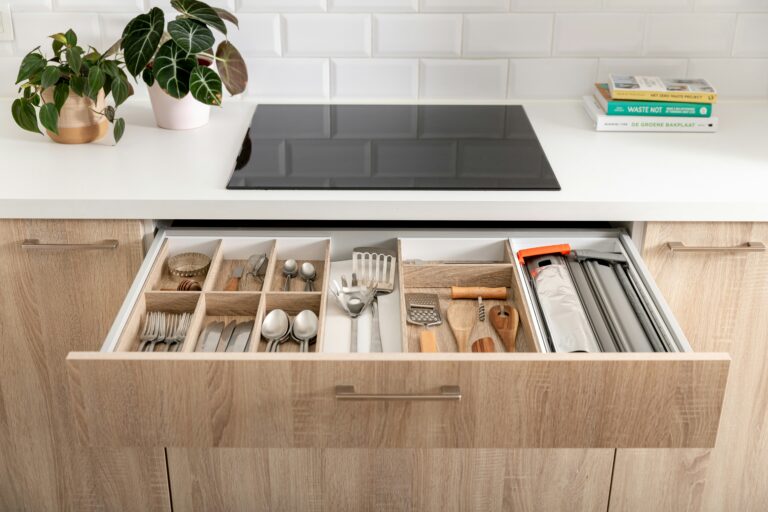
The drawer that sticks. The lightbulb that’s been out for two weeks. The cabinet door that never quite closes, so you’ve started closing it a little harder than necessary every time.
None of it is urgent. That’s exactly why it’s still broken.
Fix it anyway. It takes less time than you think, and it fixes something that’s been quietly irritating you far more than you realized.
7. Stop Displaying Things Just Because Someone Gave Them to You
Gratitude and display are two different things.
You can love a gift, appreciate the person who gave it to you, and still not want it sitting on your shelf where you see it every day.
Put it somewhere you’ll actually appreciate it — a drawer, a keepsake box, a shelf in a room you visit less often. Let the space you look at most hold things you’d choose again, not things you feel obligated to.
8. Make the Bedroom Calmer Before Worrying About the Rest of the House
It’s the one room in your house where “I’ll deal with it later” isn’t really an option. You’re in it every single night, whether it’s ready for you or not.
Start there. Clear surface, soft light, nothing undone staring back at you from the corner.
The living room can wait. The bedroom is where calm matters most, because it’s the room asking the most of you — to actually rest in it.
9. Create One Completely Clear Spot
Not a whole room. Just one spot — a shelf, one end of the coffee table, a corner of a counter.
Somewhere your eyes can land with absolutely nothing to sort through, organize, or think about.
It sounds small. It does more for how a room feels than most people expect, because your mind gets a place to rest along with your eyes.
10. Let Your Home Look Lived In — Calm Doesn’t Mean Perfect
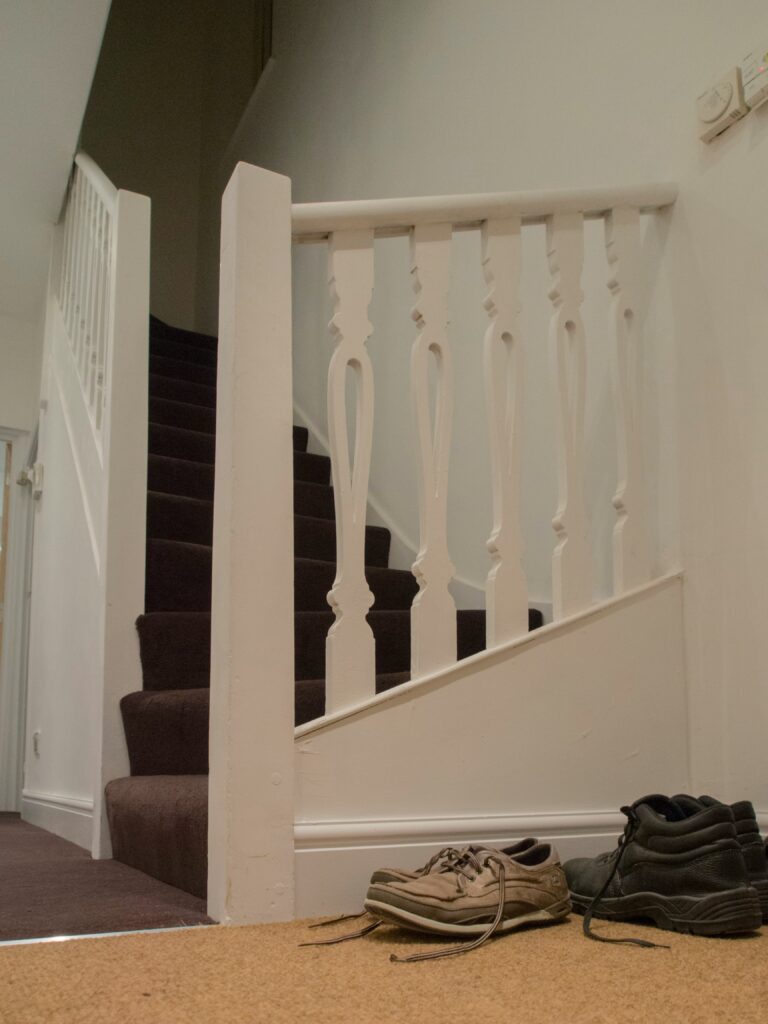
A blanket that isn’t folded. A book left open on the arm of a chair. A pair of shoes by the door that didn’t make it back to the closet yet.
That’s not clutter. That’s a home someone actually lives in.
Calm was never about the absence of life. It’s about the absence of chaos. There’s a difference, and it took me longer than I’d like to admit to actually believe it.
Somewhere in the last few years, I stopped believing that calm was something you buy. It turns out it was mostly something you notice — the small things you’d stopped seeing, and quietly decide to fix.
None of this cost anything. It just required paying attention.